
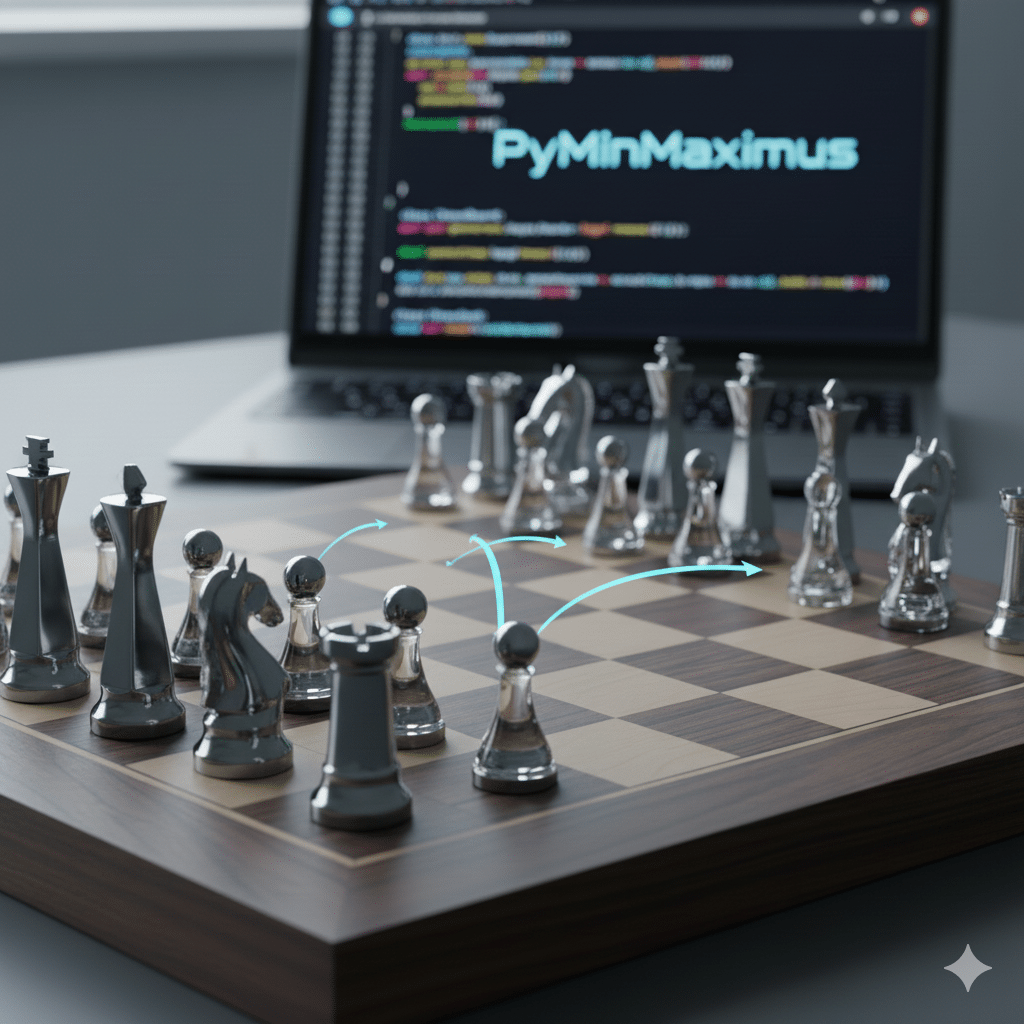
Building PyMinMaximus: A Chess Engine from Scratch
Building a chess engine in Python starts with a deceptively simple question: how do you represent a board in code? In Part 1 of the PyMinMaximus series, we tackle board representation and legal move generation — the foundation everything else is built on.
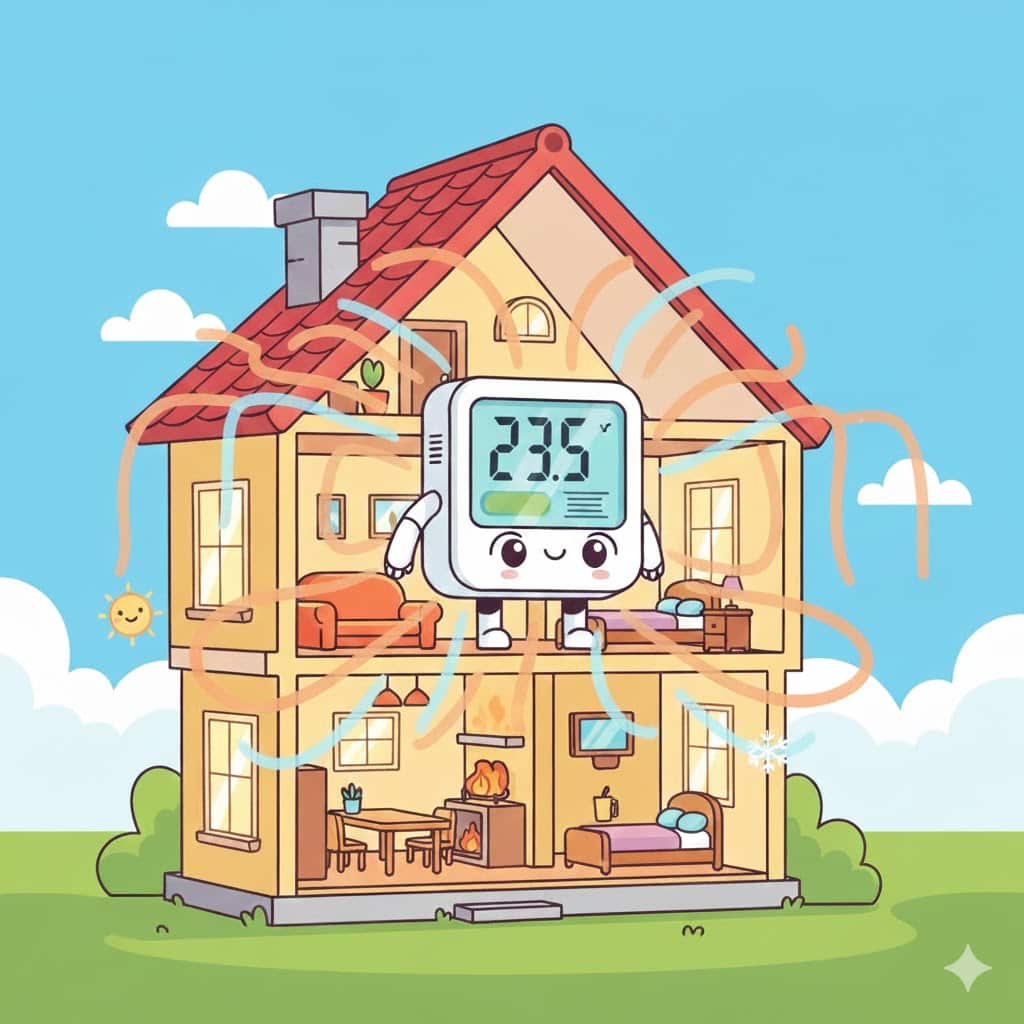
Building a Wi-Fi Temperature Monitor with Raspberry Pi Pico W: From Breadboard to Dashboard
In my last post, I referenced a temperature collector app that we implemented in Flask. The purpose of...

Modular Flask Apps: A Guide to Application Dispatching
In our prior post, we showed how to create a basic Flask app (in our case to choose...

From Indecision to Delicious: How Flask Solved Our Dinner Dilemmas
Recently, after a long day of work and school, my family decided to go out to eat. There...

Fun with Prime Numbers
This week, I was helping my son with prime number factorization in his math homework. Beyond a basic...

Creating a Stock Market Simulation to Model Retirement
In this post, we build a simple stock market simulation to use for retirement planning. I am a...

Using Blockly to Easily Generate Python Code
Now that we have the PicoGame working in Micropython, next is to create a Blockly app that helps...

Perseverance: The Journey to Implement Our Amazing PicoGameSDK
“It’s only a passing thing, this shadow. Even darkness must pass. A new day will come. And when...
A Journey to Creating a Micropython User Modules
While working on updating the PicoGame engine, I wanted to implement the core of the game engine in...

Deal or No Deal Strategy: The Math Behind When to Take the Deal
Is there a winning strategy for Deal or No Deal? We break down expected value, banker psychology, and average winnings — with a Python simulation to test it all.