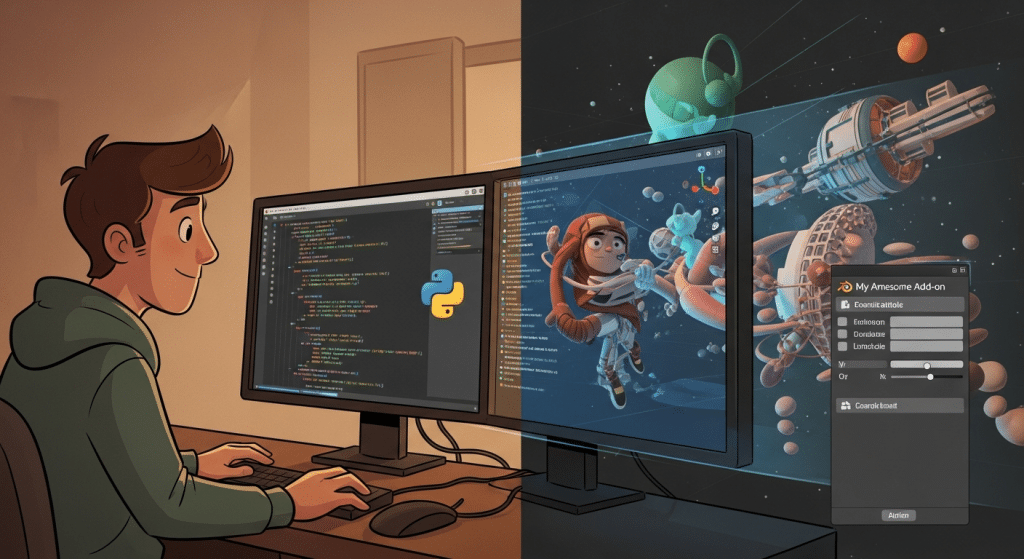
Building Your First Blender Add-on with Python
Learn to build your first Blender add-on with Python from scratch. Part 1 of a 10-post series where we build a real Batch Render Manager together.
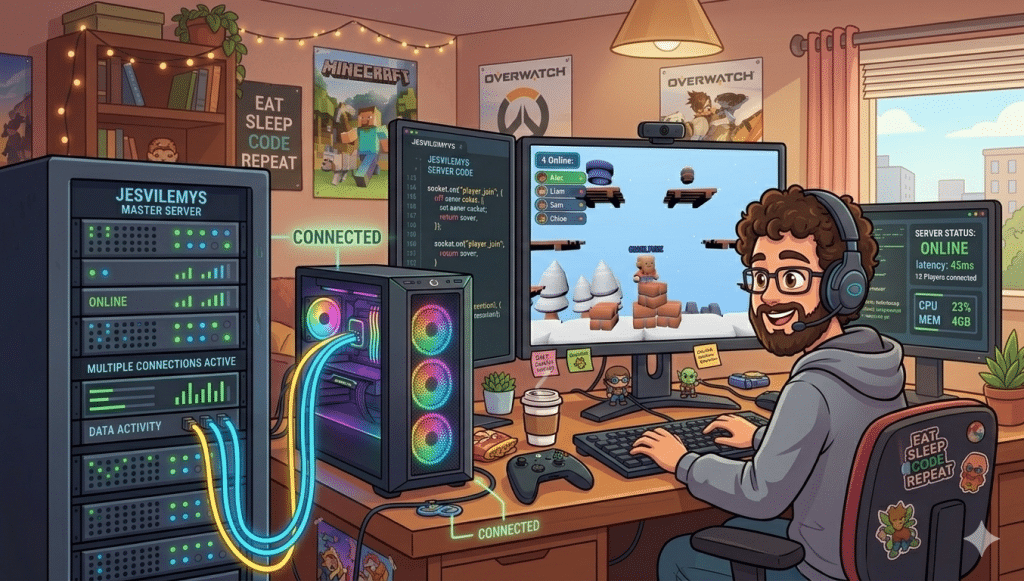
From Local to Online: Building Browser-Compatible Godot Multiplayer Game
My son and I recently created a Godot multiplayer game for a game jam. This post dives deep into the infrastructure we built, detailing the three-part architecture, how the Python signal server coordinates with the headless Godot servers, and the specific high-level Godot networking patterns we used to bring the game from local fun to online chaos.
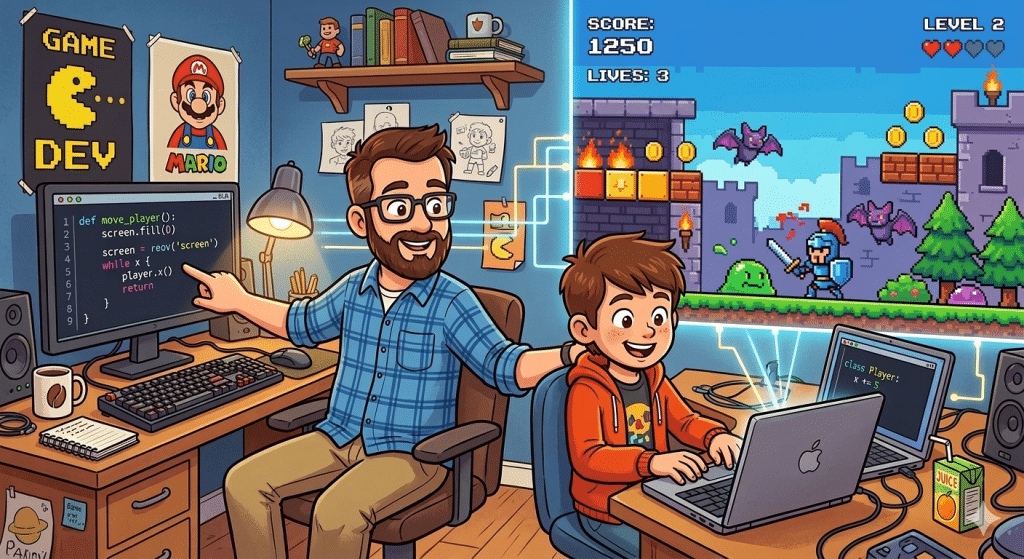
We Made a Game Together: Our Game Jam Learnings
My son and I entered a game jam. It was a fun experience with a lot of learning. This is what happened, what worked, and what I'd do differently.
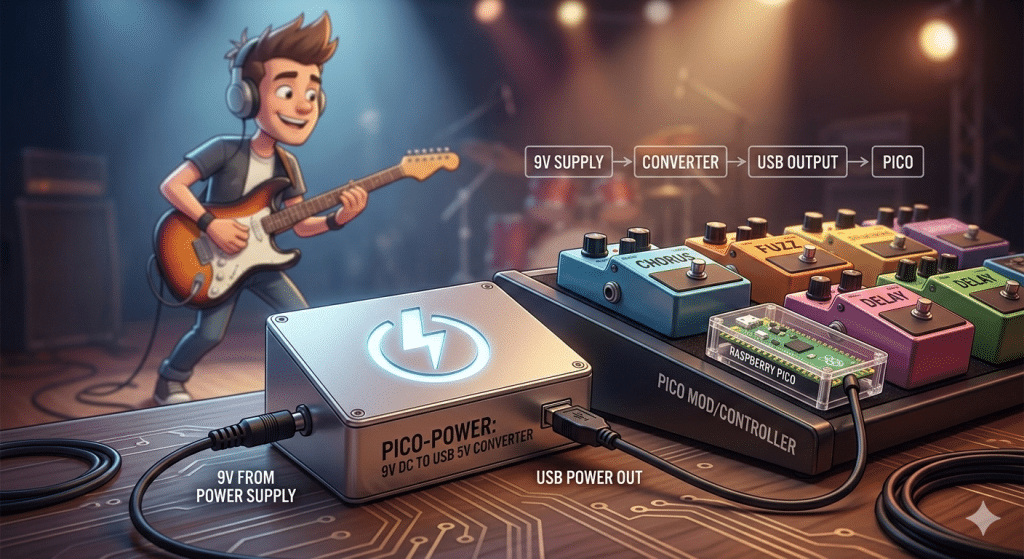
Pedal Board USB Power: 9V to USB for a Raspberry Pico
I am working on a guitar pedal that uses the Raspberry Pico. However, the Raspberry Pico requires 5V input while the pedal board gives 9V. Therefore, I needed a converter. Why not make it a USB?
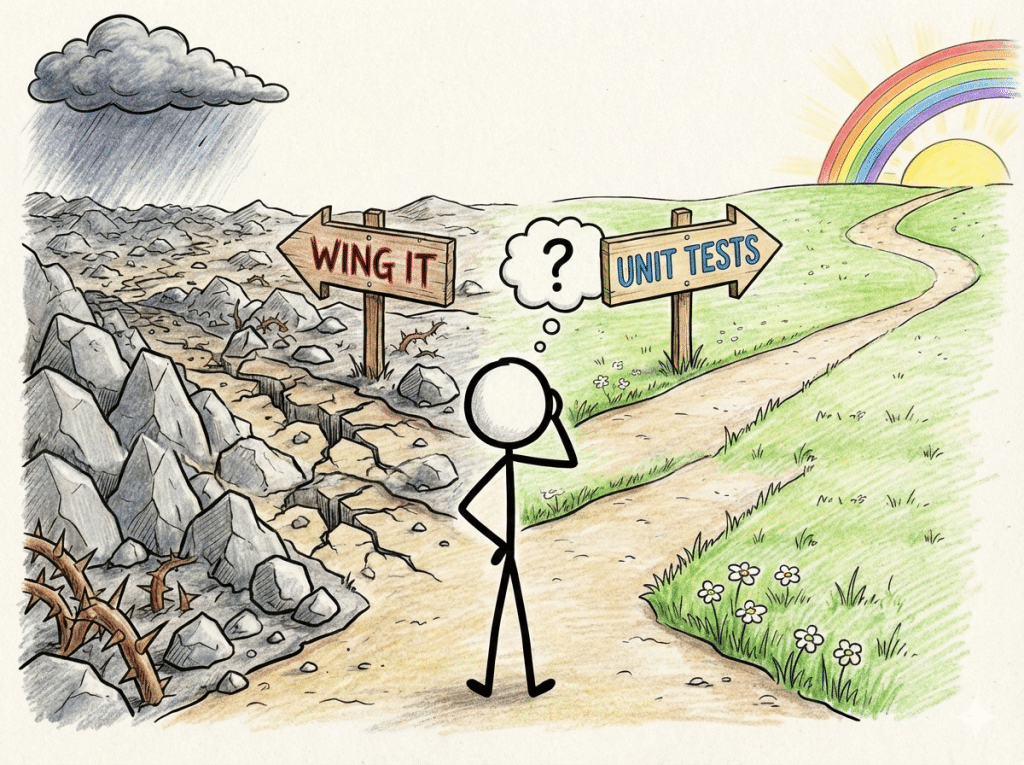
Why I Started Writing Unit Tests for Personal Projects (And Why You Should Too)
Unit tests aren't just for professional work, they can also be beneficial for personal projects as well. Discover the practical benefits of unit testing and when its worth it (or not) for personal projects.
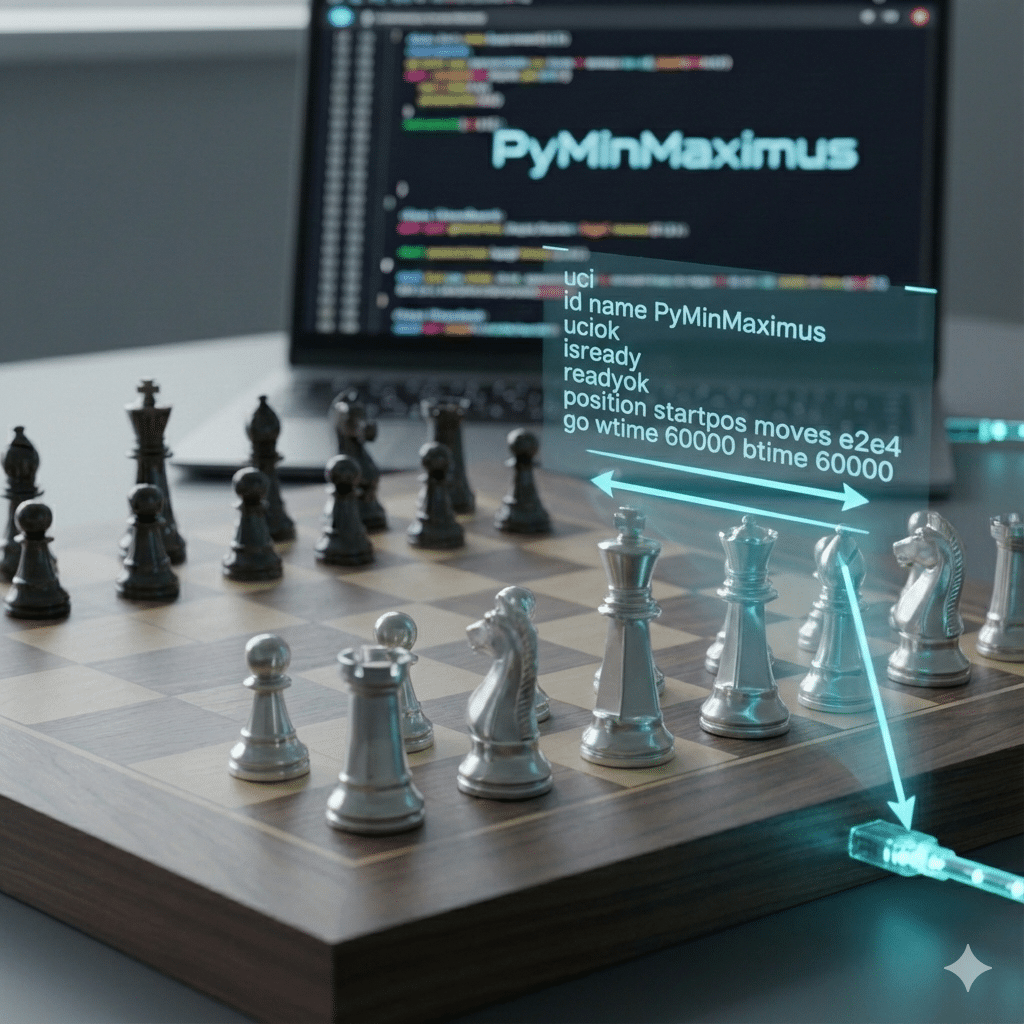
Building PyMinMaximus Part 6: UCI Protocol and Tournament Testing
Welcome to the final stage of the PyMinMaximus journey! It's time to make our Python chess engine tournament-ready. We'll implement the Universal Chess Interface (UCI) protocol, integrate with CuteChess CLI, run automated tournaments against other engines, and calculate an accurate ELO rating to measure our engine's true strength. Let's find out how strong PyMinMaximus really is!
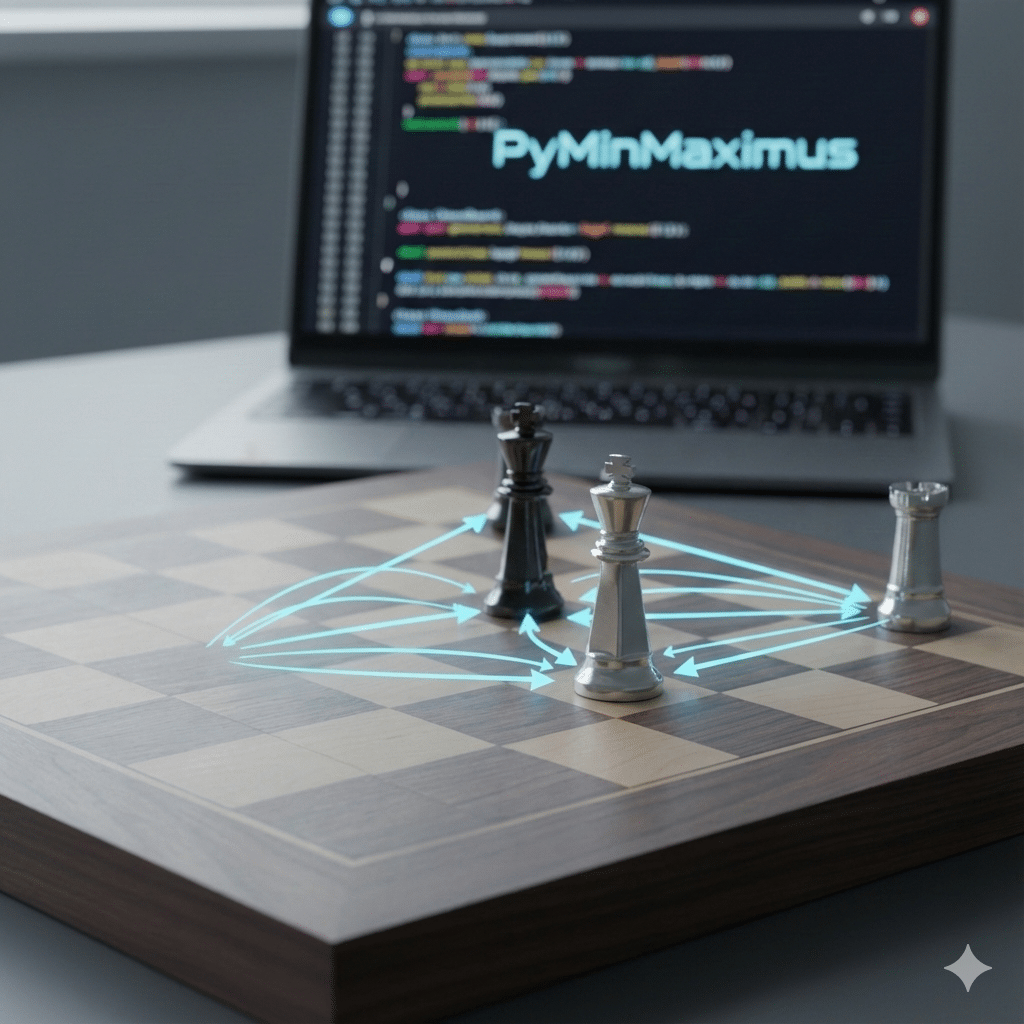
PyMinMaximus Part 5: Creating the Endgame Tablebase
Learn how to build and integrate a simple King + Rook vs King (KRK) endgame tablebase into the PyMinMaximus chess engine. This pre-computed database ensures perfect play in KRK positions, finding the quickest mate in O(1) time using the principles of retrograde analysis. The implementation covers position encoding, symmetry reduction, and the final search integration for a complete Book → Tablebase → Search hierarchy, saving thousands of search nodes.
PyMinMaximus Part 4: Creating an Opening Book
In or previous posts, we created a chess engine, but we have a glaring weakness: PyMinMaximus wastes time "thinking" about well-known opening positions that have been analyzed for centuries. While PyMinMaximus calculates for 5 seconds to decide between 1.e4 and 1.d4, it could instantly play proven opening theory and save that time for complex middlegame positions.
With an opening book, PyMinMaximus plays the move instantly (0.001 seconds), saving 20-30 seconds in the opening phase. It plays mainline theory with proper move orders and avoids known tactical pitfalls. That's a massive practical advantage! In this post, we’ll solve this problem by implementing opening books from scratch, using the Polyglot format and Zobrist hashing.

PyMinMaximus Part 3: Position Evaluation – Teaching the Engine Chess Strategy
Welcome back to the PyMinMaximus series! In Part 1, we built our chess board representation, and in Part...
PyMinMaximus Part 2: Game Trees and MinMax Algorithm – The Brain of the Engine
Welcome back to the PyMinMaximus series! In Part 1, we built a complete chess board representation with legal...